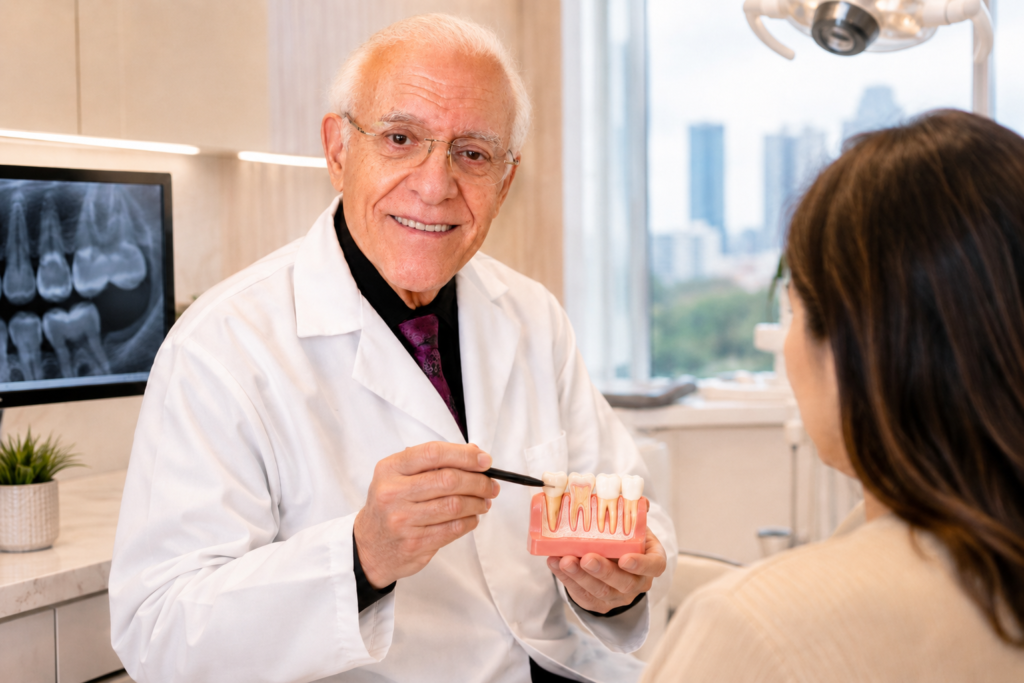

A damaged or weakened tooth does not always need to be removed. In many situations, the tooth may still be restorable, but it needs more protection than a traditional filling can provide.
A dental crown is designed to cover and reinforce the remaining tooth structure. It can help restore normal shape, improve function, and protect a tooth that has been weakened by decay, fracture, wear, or previous dental treatment.
Dr. Richard Waghalter provides restorative dental care for patients in Houston’s Museum District, helping them understand when a crown may be appropriate and what other treatment options should be considered.
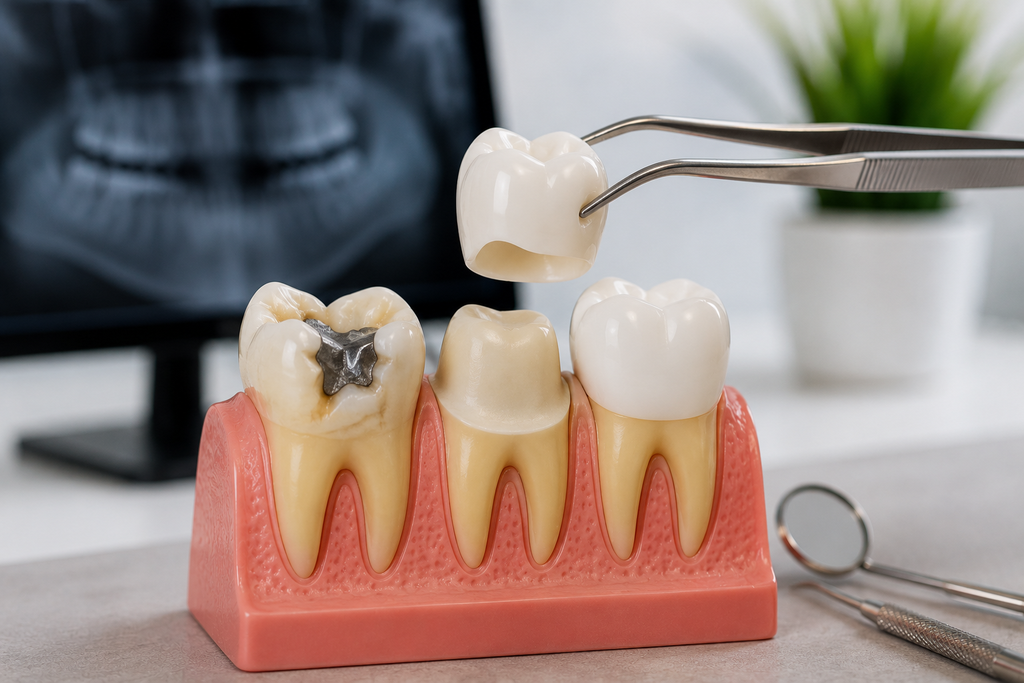
A Filling and a Crown Do Different Jobs
Fillings are commonly used when a smaller portion of a tooth has been damaged by decay or wear.
When a larger amount of tooth structure has been lost, however, there may not be enough healthy tooth remaining to reliably support a large filling.
In those situations, a crown may be considered because it surrounds and protects more of the tooth.
The decision depends on factors such as:
- How much healthy tooth structure remains
- The location of the damage
- The amount of pressure the tooth receives when chewing
- Existing fillings or previous dental treatment
- Cracks or fractures in the tooth
- The overall condition of the bite
Dr. Waghalter evaluates these factors before discussing whether a crown or another restorative option may be appropriate.
Why Teeth Become Weakened
Teeth are remarkably strong, but years of chewing, grinding, dental restorations, and normal wear can gradually affect their structure.
A tooth may become weakened because of:
- A large existing filling
- Recurrent decay around an older restoration
- A fracture or crack
- Significant wear from grinding or clenching
- Loss of tooth structure
- Previous root canal treatment
- Trauma to the tooth
Sometimes the patient notices discomfort. Other times, the weakened area is discovered during a routine dental examination.
What Does a Dental Crown Actually Do?
A dental crown acts like a protective covering around the visible portion of the tooth.
Rather than simply filling one damaged area, the crown helps reinforce the remaining structure while restoring the tooth’s shape and chewing surface.
Crowns may also be designed to blend naturally with surrounding teeth.
The goal is not only cosmetic. Restoring proper tooth shape can also help improve the way the tooth functions when biting and chewing.
Can a Crown Help Save a Natural Tooth?
In appropriate situations, yes.
When enough healthy tooth structure remains, restorative treatment may help preserve a tooth that might otherwise continue to weaken.
That is one reason Dr. Waghalter emphasizes evaluating a damaged tooth before assuming extraction is necessary.
Preserving natural teeth whenever reasonably possible is an important part of long-term oral health, but every tooth must be evaluated individually.
What Happens During a Crown Consultation?
The first step is understanding why the tooth is damaged.
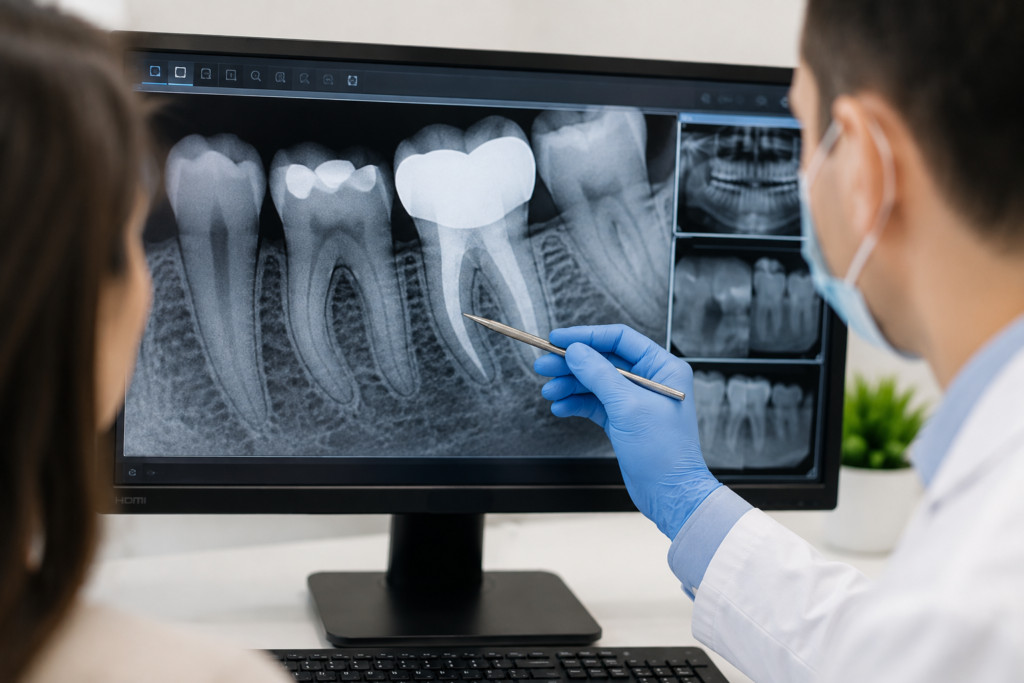
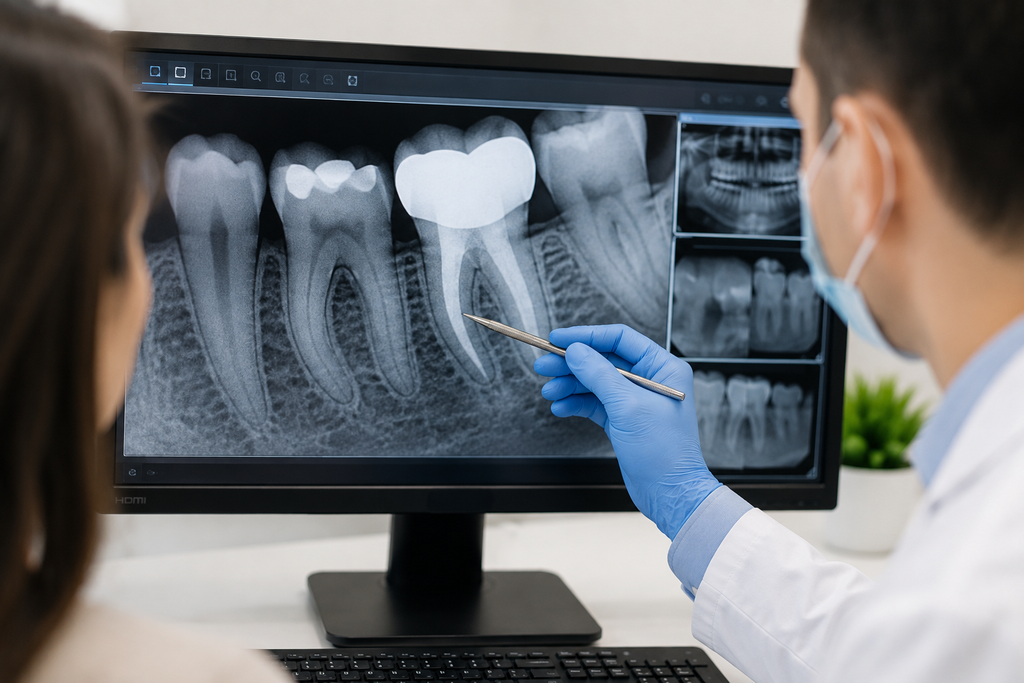
Dr. Waghalter may evaluate the tooth visually, examine the existing restoration, assess the bite, and use dental imaging when appropriate.
Patients should also have an opportunity to understand:
- Why treatment is being recommended
- Whether other options are available
- What portion of the tooth is damaged
- How the restoration may protect the tooth
- What to expect during treatment
Clear communication is an important part of Dr. Waghalter’s patient-centered approach.
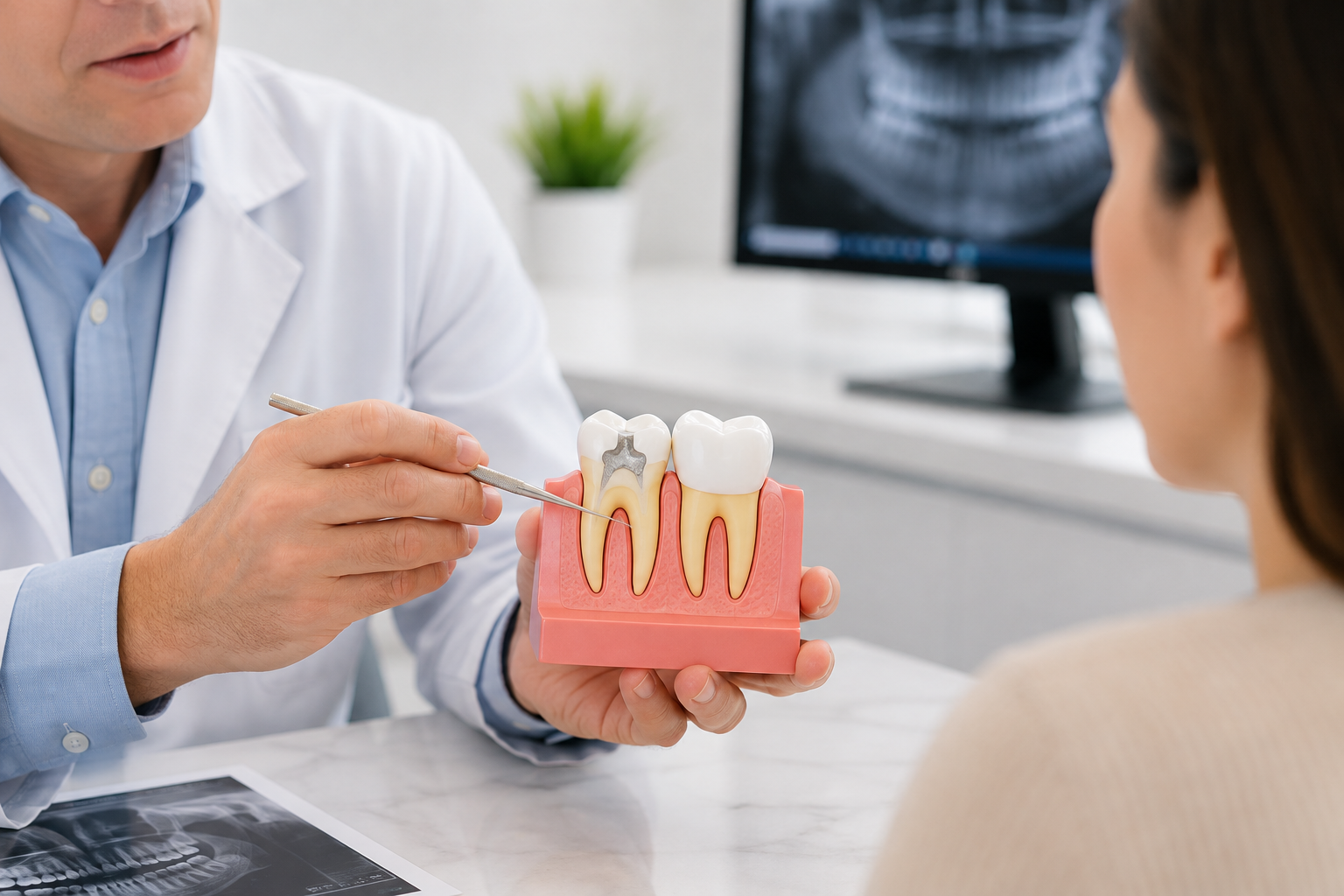
Second Image
Use a different angle showing a dental model with a natural tooth beside a crown or a close-up of a crown being placed on a model.
Caption:
Dental crowns can help restore strength, shape, and function to teeth that have been significantly weakened.
Signs a Tooth May Need More Than a Filling
Not every damaged tooth needs a crown, but certain symptoms may indicate that a tooth should be evaluated.
These can include:
- Pain when chewing
- A cracked or fractured tooth
- A large or failing filling
- Part of a tooth breaking away
- Persistent sensitivity
- A tooth that feels weak when biting
- Repeated problems with the same restoration
If something feels different, it is better to have the tooth evaluated rather than waiting for additional damage to occur.
Restorative Dentistry With an Experienced Approach
Restorative dentistry is about more than repairing a visible problem.
Dr. Richard Waghalter considers how the tooth fits into the patient’s overall oral health, bite, comfort, and long-term needs before recommending treatment.
His approach emphasizes thoughtful evaluation, clear explanations, and helping patients understand their choices.
For patients in Houston’s Museum District, this provides an experienced and personal approach to restoring damaged or weakened teeth.
Dental Crowns in Houston’s Museum District
If you have a broken tooth, large filling, worn restoration, or discomfort when chewing, a dental evaluation can help determine whether a crown or another restorative option may be appropriate.
Dr. Richard Waghalter, DDS
4817 Main St #200
Houston, TX 77002
Houston Museum District