
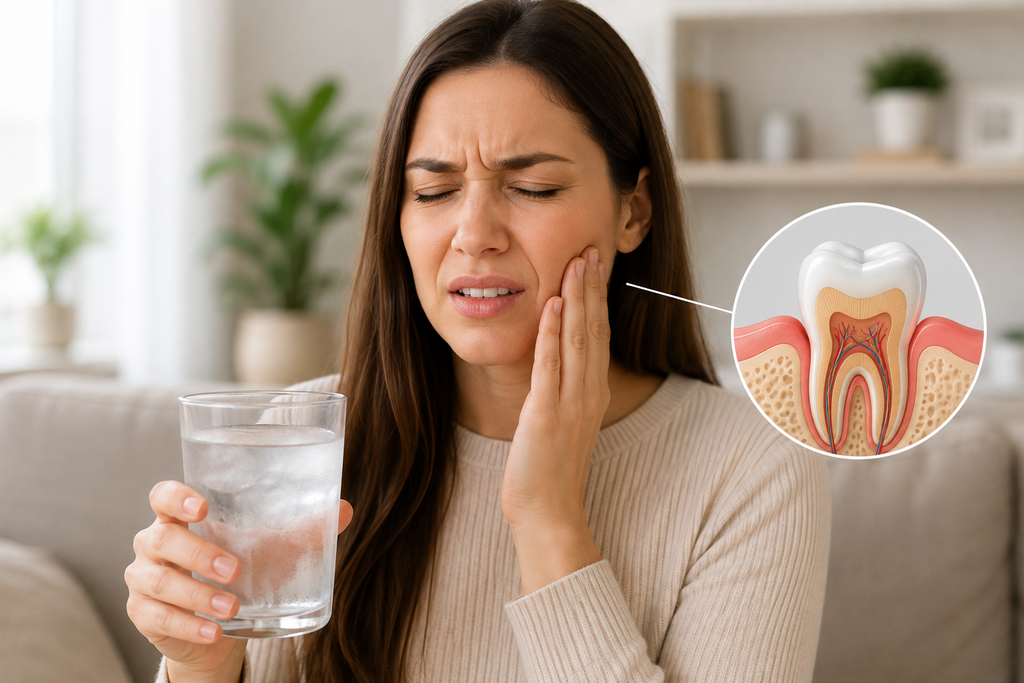
Tooth sensitivity is one of the most common reasons patients decide to schedule a dental visit. Some people feel a quick sharp sensation when drinking something cold, while others notice discomfort with hot foods, sweets, brushing, or even breathing in cold air.
Although sensitivity can sometimes seem minor at first, it may be a sign that a tooth or the surrounding gum tissue needs professional attention.
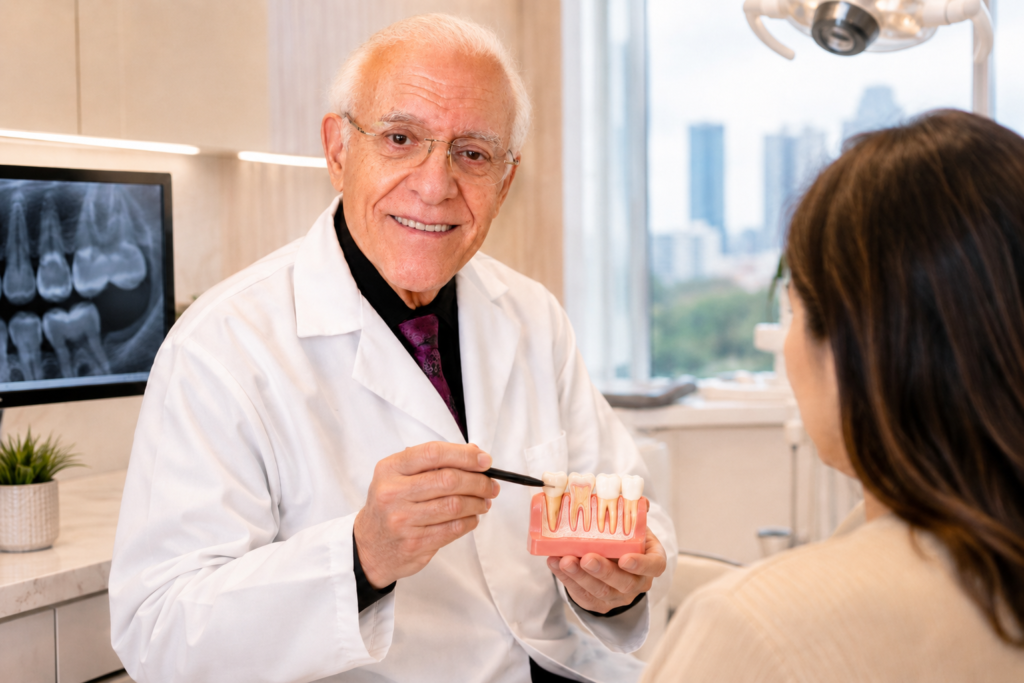
Dr. Richard Waghalter helps patients in Houston’s Museum District evaluate the possible cause of tooth sensitivity and determine what type of care may be appropriate based on their individual needs.
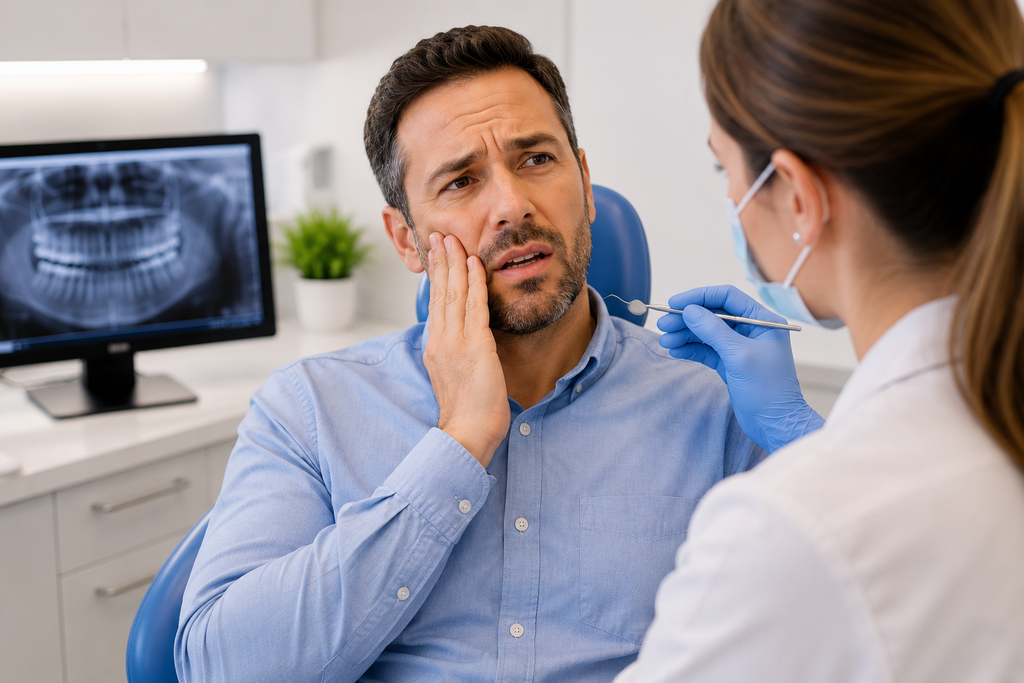
Tooth Sensitivity Can Have More Than One Cause
There is no single explanation for sensitive teeth. In some cases, the problem may be temporary. In others, it can point to an underlying dental concern that should not be ignored.
Common causes of tooth sensitivity may include:
- Worn enamel
- Gum recession
- Exposed tooth roots
- Tooth decay
- Cracked or worn teeth
- Old or damaged fillings
- Teeth grinding or clenching
- Recent dental treatment
- Aggressive brushing habits
Because different problems can create similar symptoms, an exam is often the best way to understand what is actually causing the discomfort.
When Sensitivity May Be a Sign of a Bigger Problem
Not all tooth sensitivity means there is a serious issue, but some symptoms deserve closer attention.
For example, if the discomfort is getting worse, lasting longer, or affecting a specific tooth every time you chew or drink something cold, it may indicate something more than routine sensitivity.
Sensitivity may also be associated with:
- A cavity
- A cracked tooth
- A loose filling
- Gum recession
- Tooth wear from grinding
- Inflammation inside the tooth
Dr. Waghalter evaluates each patient carefully to help determine whether the issue is mild and manageable or whether treatment may be needed to protect the tooth.
Why You Should Not Ignore Sensitive Teeth
A lot of people wait until the discomfort becomes stronger before seeking care. Unfortunately, by the time sensitivity becomes persistent, the underlying issue may already be progressing.
What begins as occasional discomfort may become more noticeable over time if the tooth continues to wear down, decay increases, or the affected area becomes more exposed.
Addressing tooth sensitivity earlier may make it easier to identify the problem and discuss conservative treatment options before the issue worsens.
How Tooth Sensitivity Is Evaluated
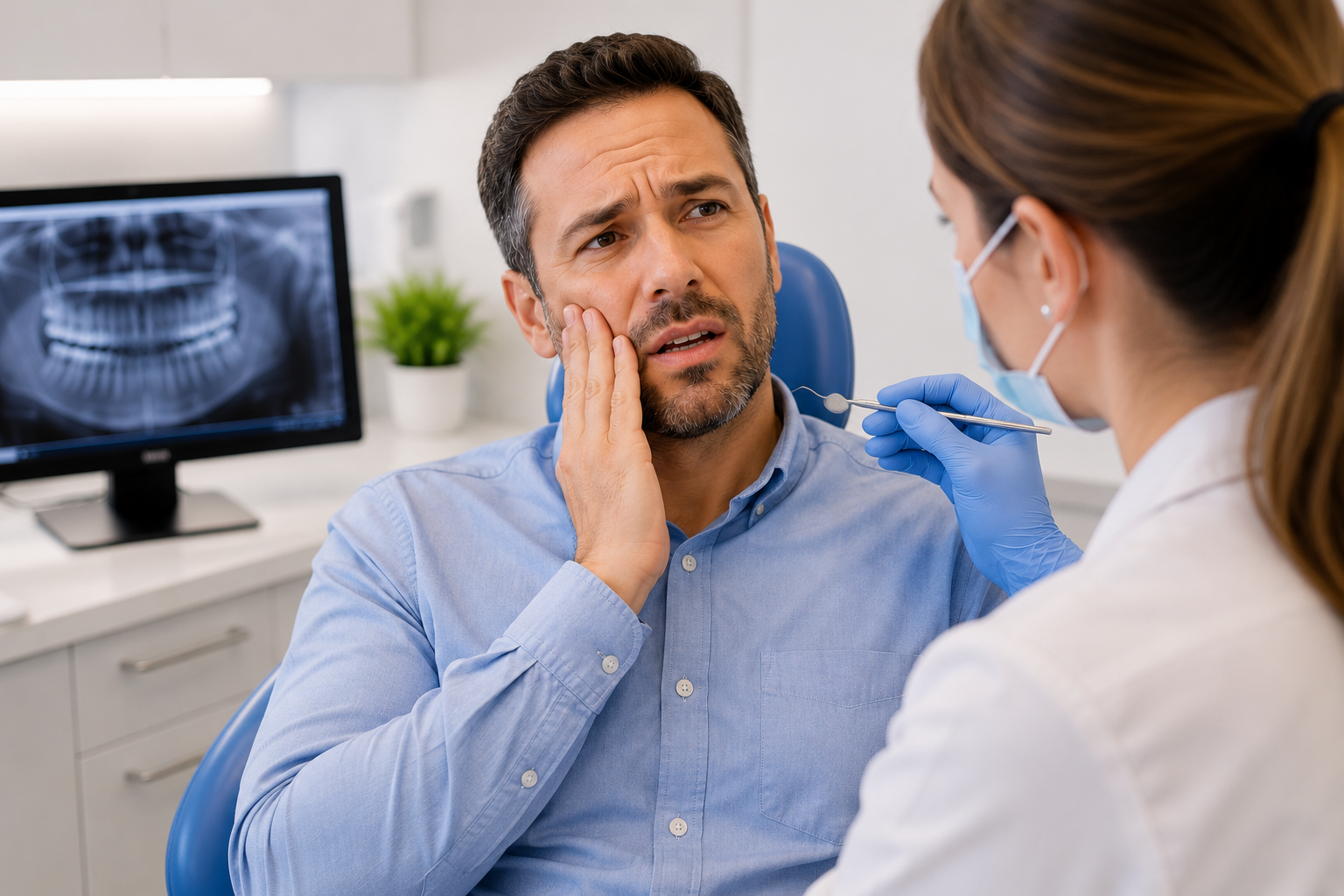
During an evaluation, Dr. Waghalter may review the affected area, ask when the sensitivity occurs, and look for signs of wear, damage, exposed roots, or decay.
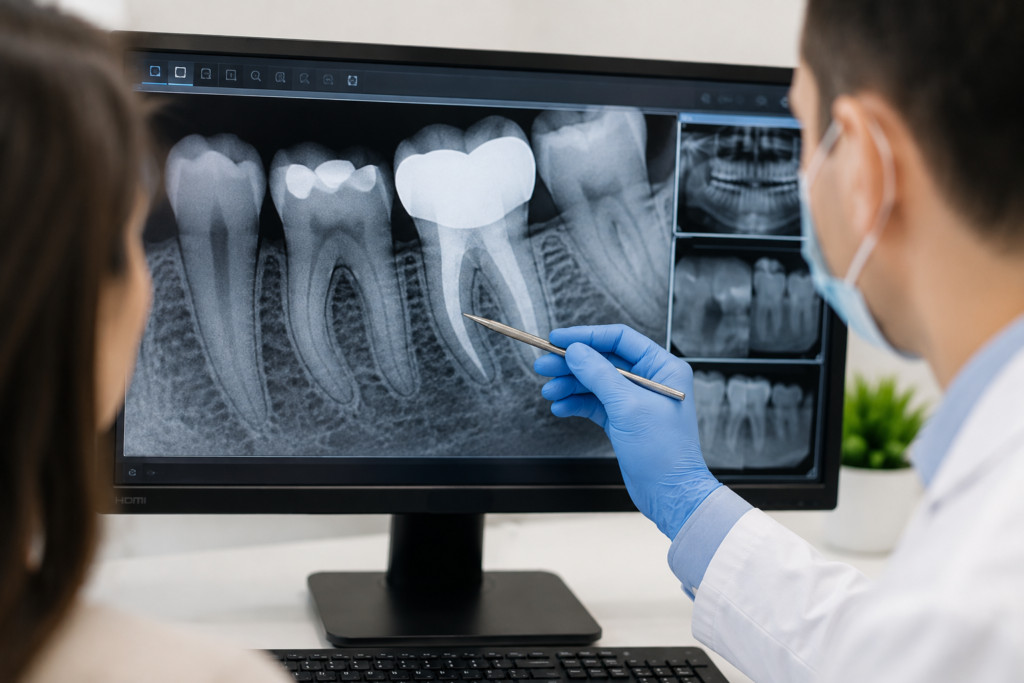
If needed, dental imaging may help assess areas that are not immediately visible during the exam.
The goal is not simply to reduce discomfort temporarily, but to understand what is causing the sensitivity and recommend care based on the patient’s overall oral health.
This patient-centered approach helps ensure that treatment recommendations are thoughtful, clear, and personalized.
Treatment Depends on the Cause
The best treatment for sensitivity depends on why it is happening.
Depending on the situation, recommendations may involve:
- Improving home care habits
- Using products designed for sensitive teeth
- Addressing gum recession
- Replacing a damaged filling
- Treating tooth decay
- Protecting a worn or cracked tooth
- Monitoring the area if symptoms are mild
Not every case of sensitivity requires major treatment. In some situations, small changes can make a noticeable difference. In others, restorative dental care may be needed to help protect the tooth and improve comfort.
A Comfortable, Personalized Approach to Dental Care
Many patients feel uncertain when they experience tooth pain or unusual sensitivity because they do not know what it means or whether it is serious.
Dr. Waghalter focuses on making patients feel informed and comfortable throughout the process. He takes time to explain what may be contributing to the problem and what next steps may be appropriate.
His approach combines experience, clear communication, and attention to each patient’s needs.
For patients in Houston’s Museum District, that means having a trusted dental professional who can help evaluate symptoms early and discuss options with care and clarity.
Tooth Sensitivity Treatment in Houston’s Museum District
If you have sensitive teeth, sharp discomfort with hot or cold foods, or ongoing dental irritation, Dr. Richard Waghalter can evaluate the issue and discuss the next steps based on your specific needs.
Dr. Richard Waghalter, DDS
Houston Museum District
4817 Main St #200
Houston, TX 77002