

Dental problems do not always begin with severe pain. In many cases, the earliest warning signs are subtle: a little sensitivity, discomfort when chewing, bleeding gums, or a tooth that suddenly feels different.
Paying attention to these changes can help identify dental concerns before they become more complicated.
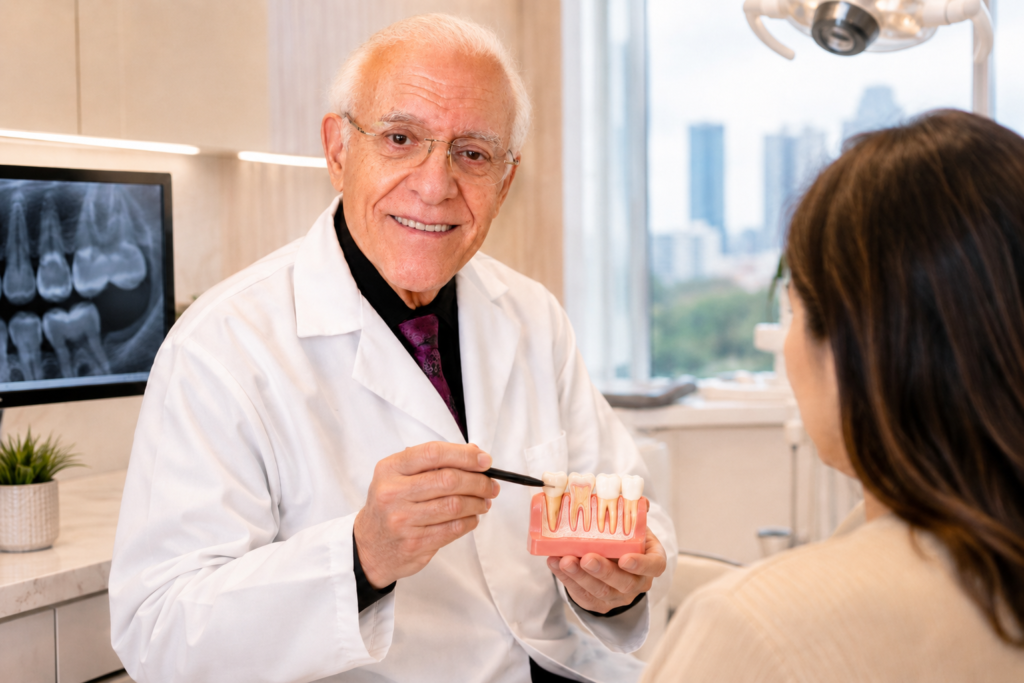
Dr. Richard Waghalter provides experienced, patient-focused dental care in Houston’s Museum District, helping patients understand what their symptoms may mean and when an examination may be appropriate.

1. Tooth Pain That Keeps Coming Back
Occasional discomfort can happen for different reasons, but recurring or persistent tooth pain deserves attention.
Pain may be associated with decay, a damaged filling, a cracked tooth, inflammation, or another underlying dental problem.
Rather than simply managing the discomfort, a dental evaluation can help identify the source.
2. Pain When You Bite or Chew
If one tooth hurts when you bite down, it may be telling you something.
Possible causes can include a crack, damaged restoration, decay, inflammation around the tooth, or changes in the bite.
The location and type of discomfort can provide useful information during an examination.
3. Sudden Sensitivity to Hot or Cold
A sharp sensation from cold water, coffee, sweets, or even cool air can sometimes be associated with exposed tooth structure, gum recession, decay, wear, or a damaged tooth.
Sensitivity does not automatically mean a serious problem, but sensitivity that becomes stronger or continues over time should be evaluated.
4. A Cracked, Chipped, or Broken Tooth
Even a small chip can change the way a tooth functions.
Larger fractures can weaken the remaining tooth structure and may make the area more vulnerable to additional damage.
Depending on the condition of the tooth, restorative treatment may be available to help protect it.
Suggested First Image
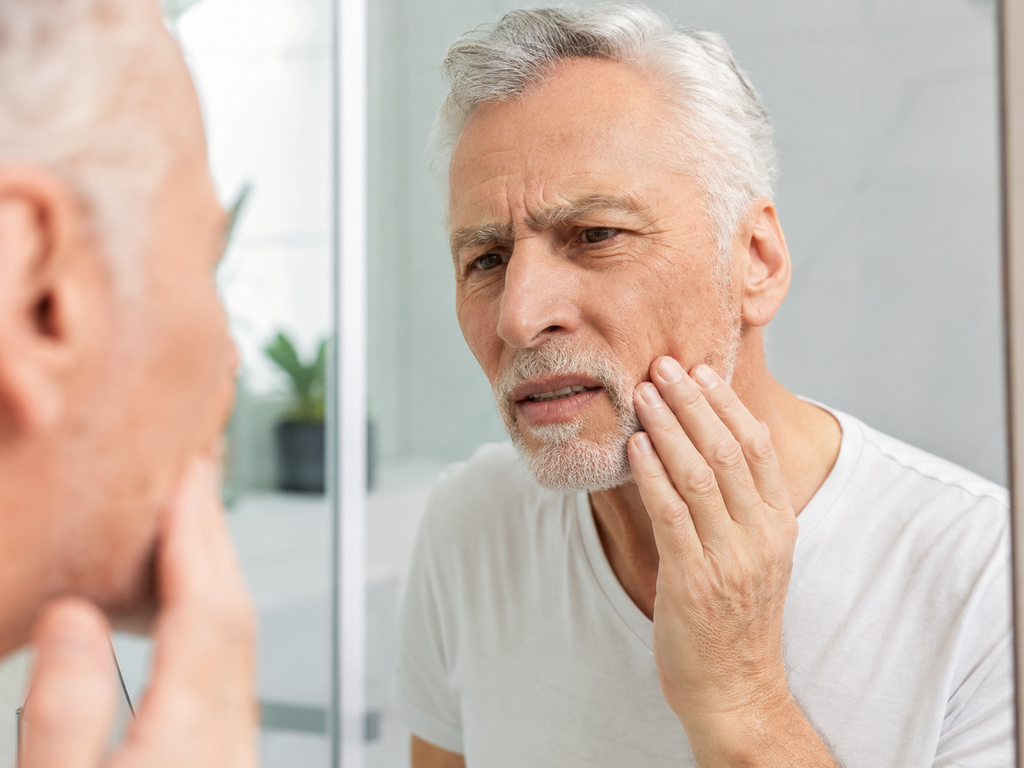
Use a clean close-up of a patient touching one side of the mouth while looking in a mirror, with no text.
Caption:
Small changes in how a tooth feels can sometimes be the first sign that it needs attention.
5. Bleeding or Tender Gums
Seeing a small amount of blood while brushing or flossing is easy to dismiss, but frequent bleeding can be associated with inflammation of the gum tissue.
Other signs can include redness, swelling, tenderness, or changes around individual teeth.
Healthy gums play an important role in supporting the teeth, so changes in the gum tissue should not be ignored.
6. A Filling or Crown That Feels Different
Dental restorations experience years of pressure from chewing.
If a filling, crown, or other restoration suddenly feels loose, rough, uncomfortable, or different when you bite, it may need to be evaluated.
Addressing the issue earlier may help protect the remaining natural tooth structure.
7. Swelling Around a Tooth or Gum
Swelling deserves prompt attention, particularly when it is accompanied by pain, tenderness, or a change in the surrounding tissue.
Different dental conditions can cause swelling, and determining the cause is important before deciding on the appropriate treatment.
Suggested Second Image
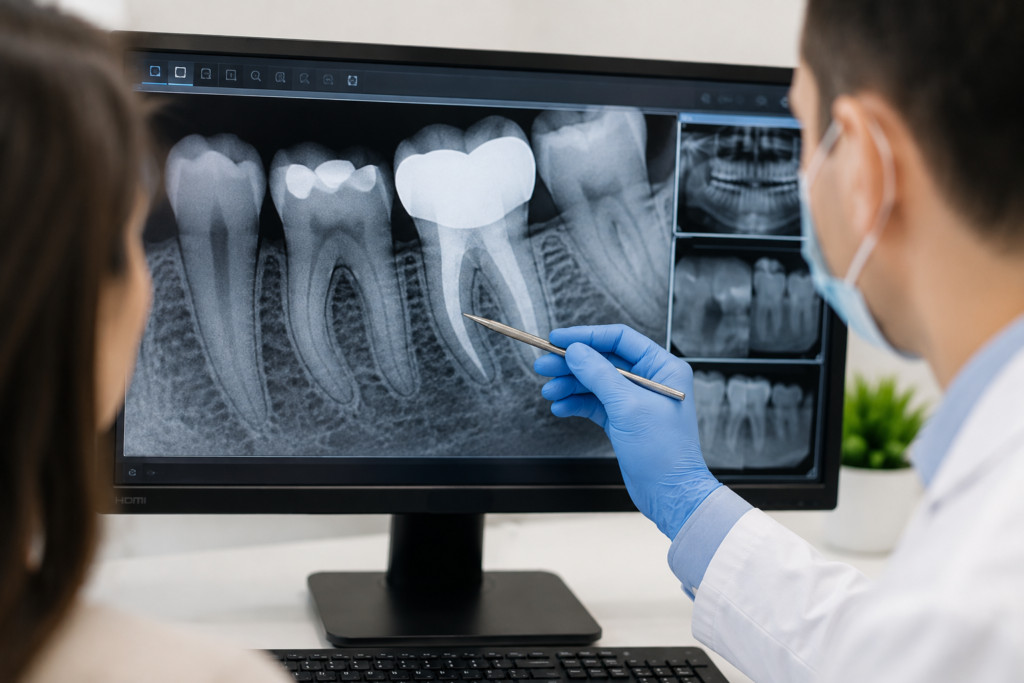
Use a completely different angle: a dentist reviewing a dental X-ray or close-up image on a monitor while the patient watches.
Caption:
A dental examination and imaging can help reveal problems that may not be visible from the outside.
Early Evaluation Can Mean More Options
One of the reasons to address dental concerns early is that treatment options may be different before a problem becomes advanced.
A tooth that is mildly damaged may sometimes have different restorative possibilities than a tooth that has experienced extensive structural damage.
That does not mean every symptom requires treatment. It means an examination can help determine whether the area should be treated, monitored, or simply managed differently.
Dr. Waghalter believes patients should understand what is happening before making decisions about their dental care.
Experienced Dental Care in Houston’s Museum District
If something in your mouth feels different, you do not necessarily need to wait until it becomes extremely painful.
Dr. Richard Waghalter evaluates dental concerns with an emphasis on clear communication, individualized recommendations, and preserving oral health whenever appropriate.
Dr. Richard Waghalter, DDS
Houston Museum District
4817 Main St #200
Houston, TX 77002